Techniques

Mice

Two-photon imaging

Two-photon imaging

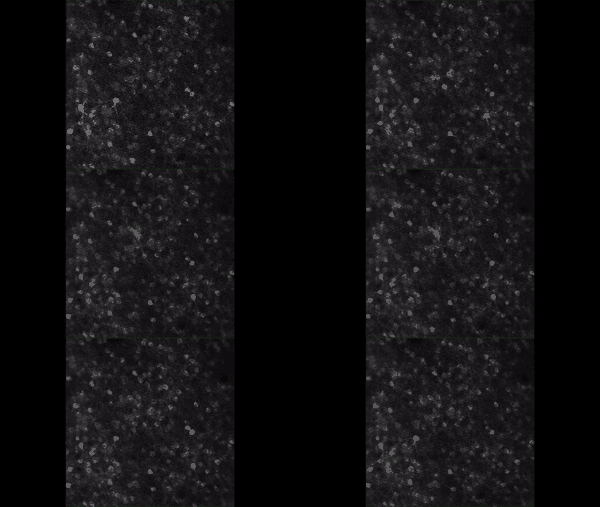
We use two-photon imaging to track the dynamics of genetically encoded fluorescent indicators at a cellular scale. With a chronically implanted cranial window, we can track how neurons and glia adapt their activity during complex behaviors and following acoustic trauma.
Widefield imaging

Widefield imaging

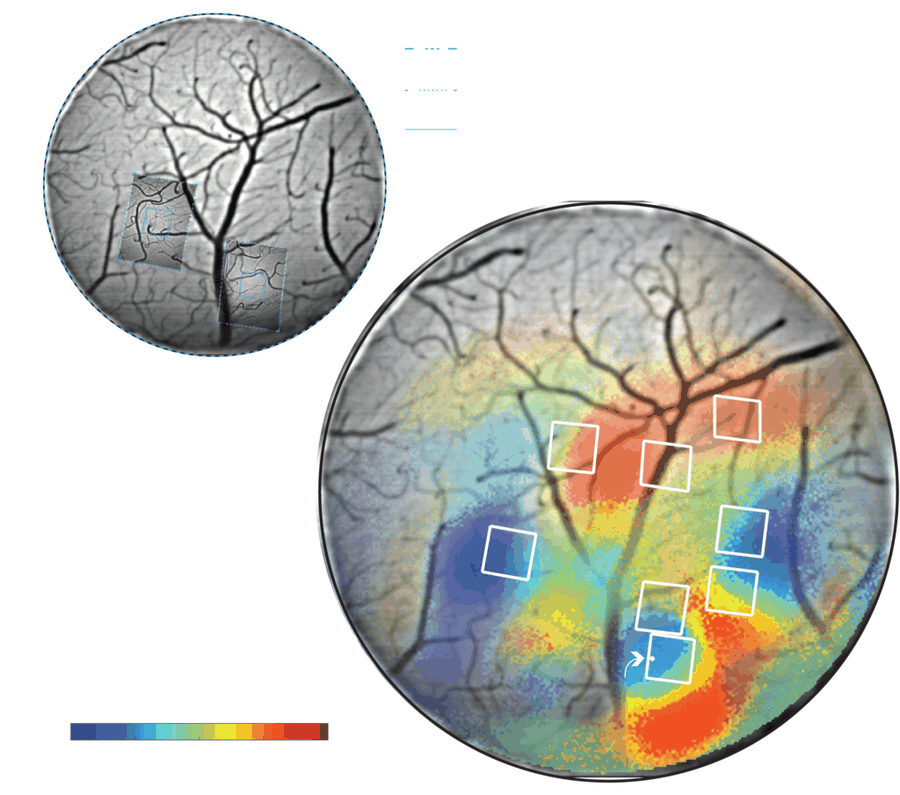
We document the mesoscale organization of sensory cortex via widefield imaging of intrinsic signals or GCaMP.

Fiber photometry

Fiber photometry

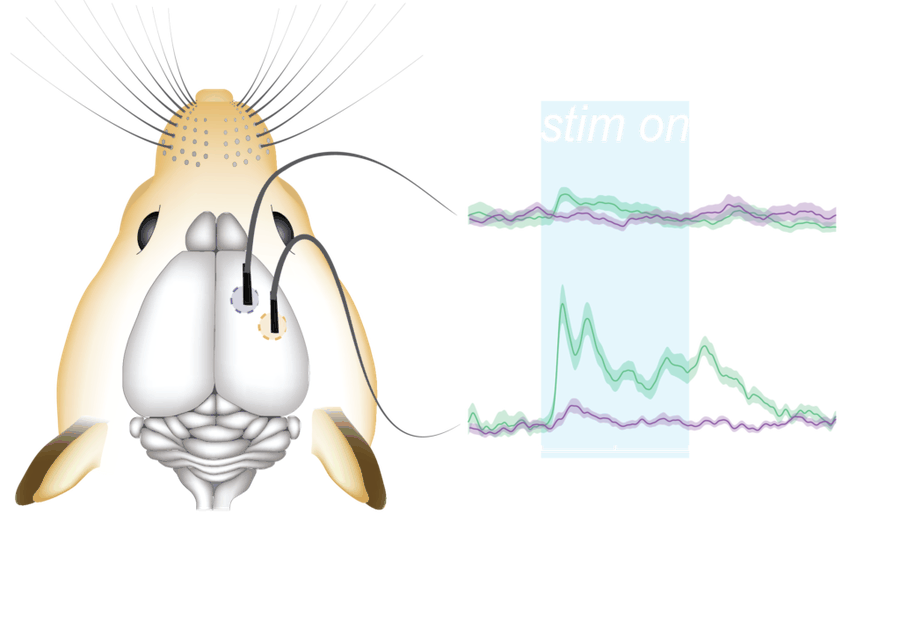
We express GCaMP or genetically encoded fluorescent sensors to measure neural activity and endogenous neurotransmitter release via implanted optic fibers.

Optogenetics

Optogenetics

We transduce neurons with light-activated opsins to “tag” genetically identified cell types and turn their activity levels up and down. Optogenetics helps us establish the causal role of neural activity in perception.

Animal behavioral assessments

Animal behavioral assessments

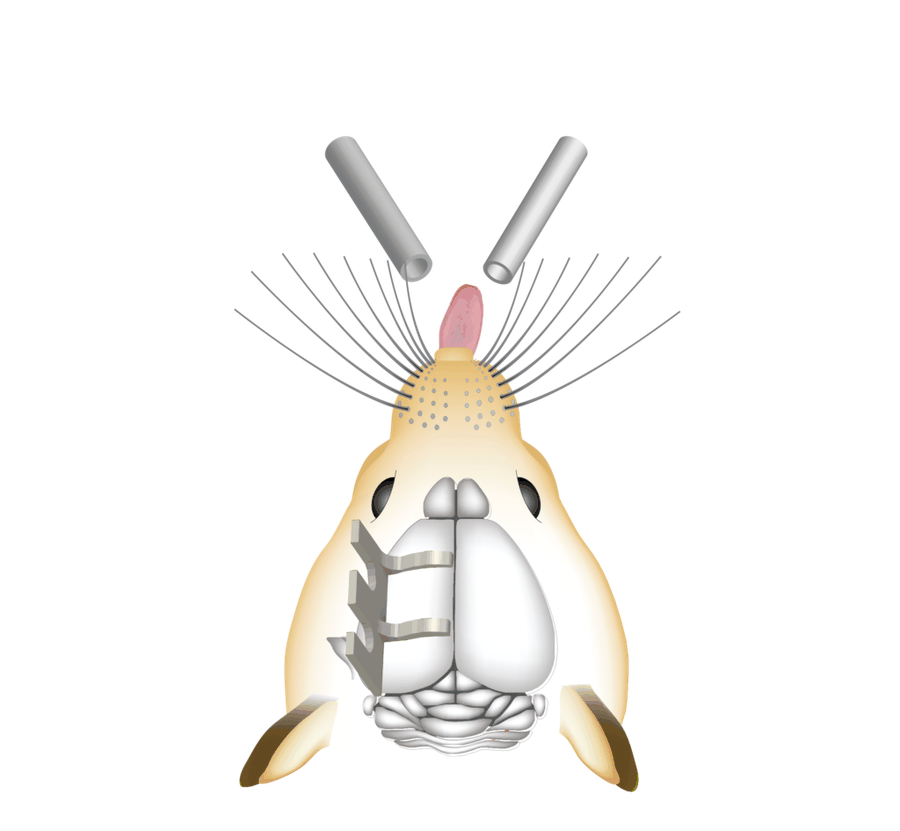
We use involuntary behaviors, operant psychophysical behaviors, Pavlovian conditioned paradigms, and naturalistic auditory foraging behaviors to study active listening and auditory learning

Electrophysiology

Electrophysiology

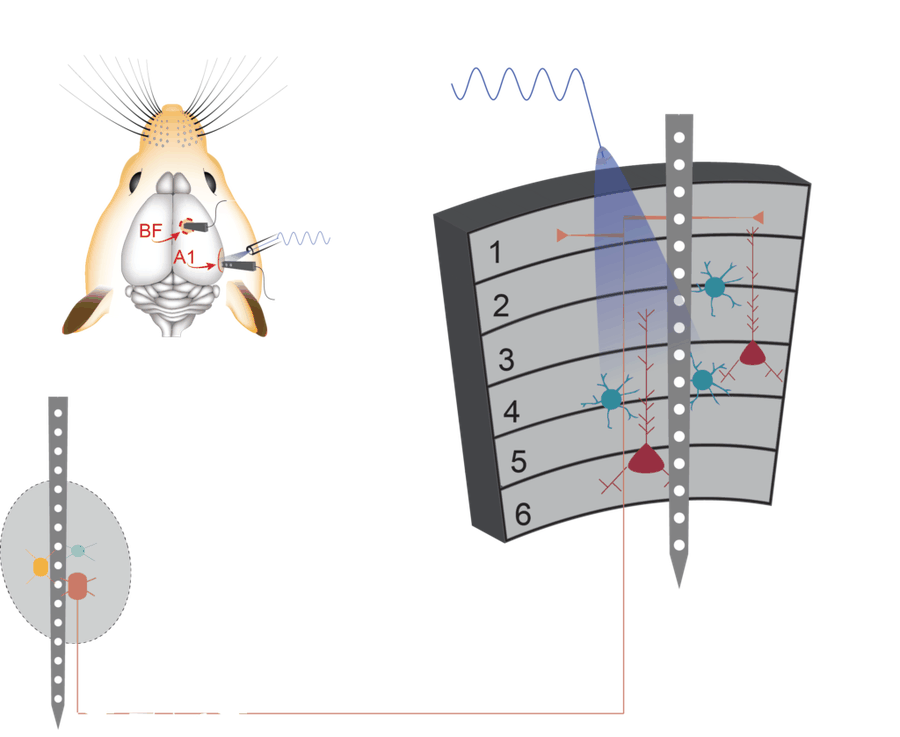
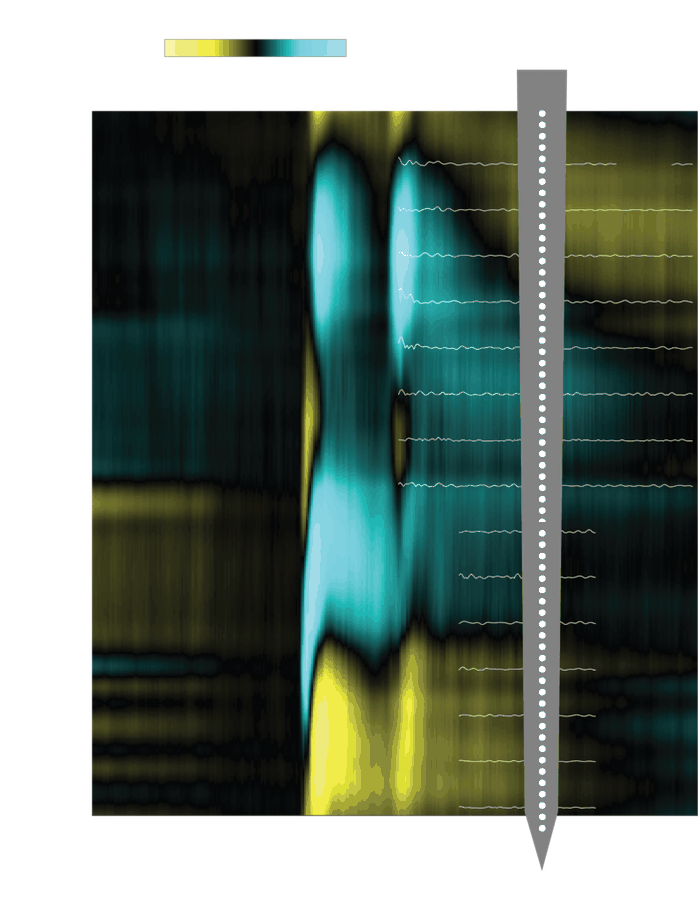
We use high-density multi-regional extracellular recordings of single unit ensembles to characterize auditory processing and plasticity at a cellular scale with millisecond temporal resolution

Human subjects

EEG

EEG

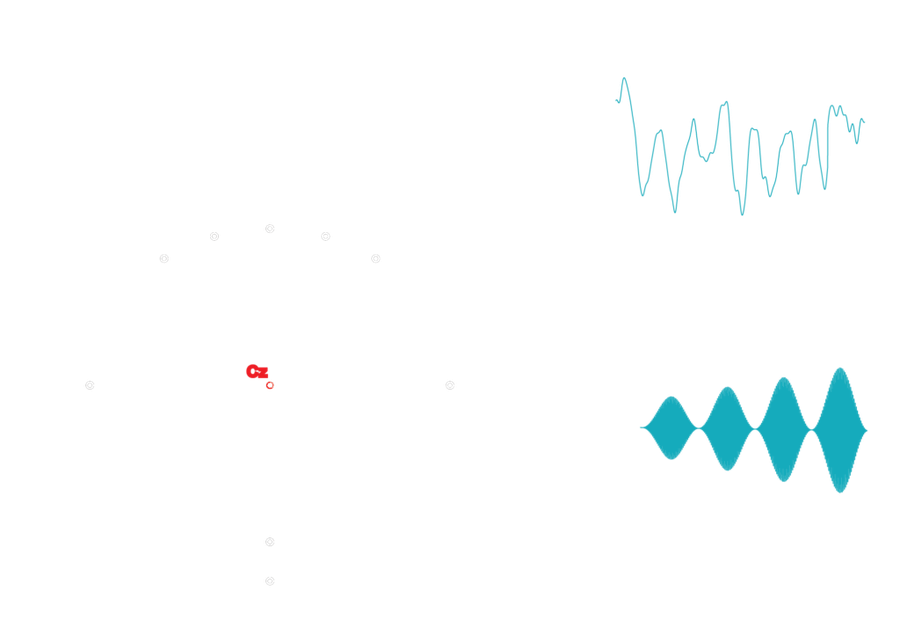
We use 64-channel scalp EEG electrode caps to measure neural synchronization to sound and its modulation by internal state variables and multi-sensory stimulation

Self-Directed Audiometry

Self-Directed Audiometry

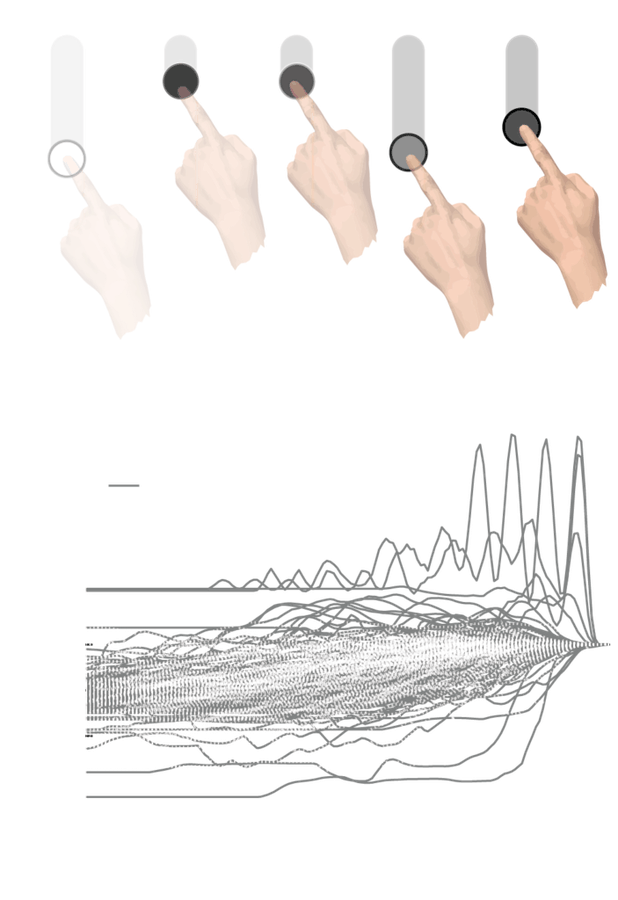
We perform a wide range of audiometric and psychoacoustic measurements via mobile devices running custom software and calibrated headphones

Auditory autonomic measurements

Auditory autonomic measurements

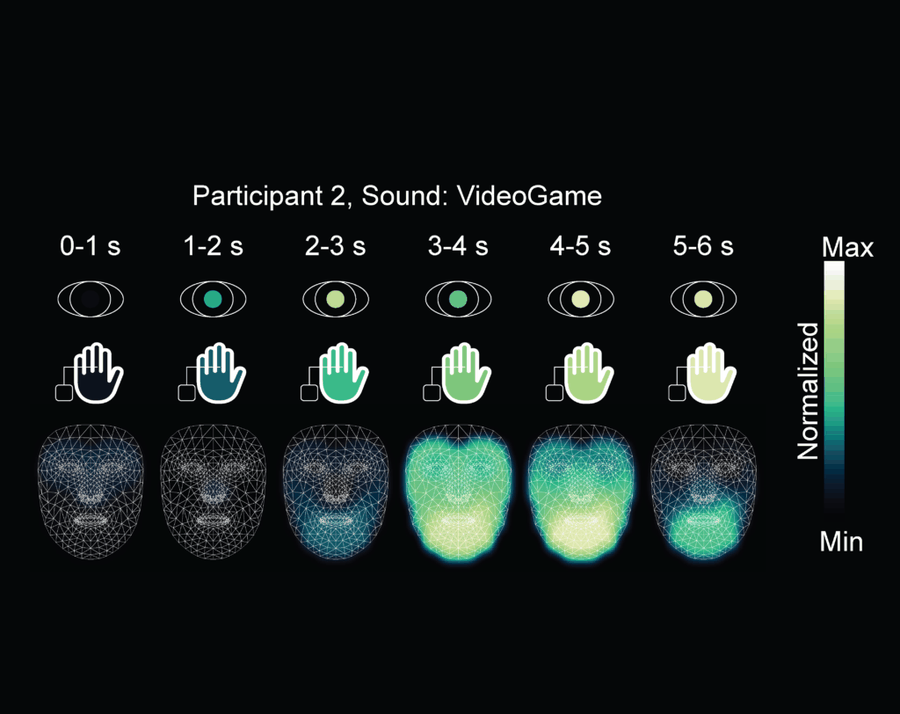
We measure skin conductance alongside high-speed videography of facial movements and pupil fluctuations to study affective sound processing.

Auditory training software

Auditory training software

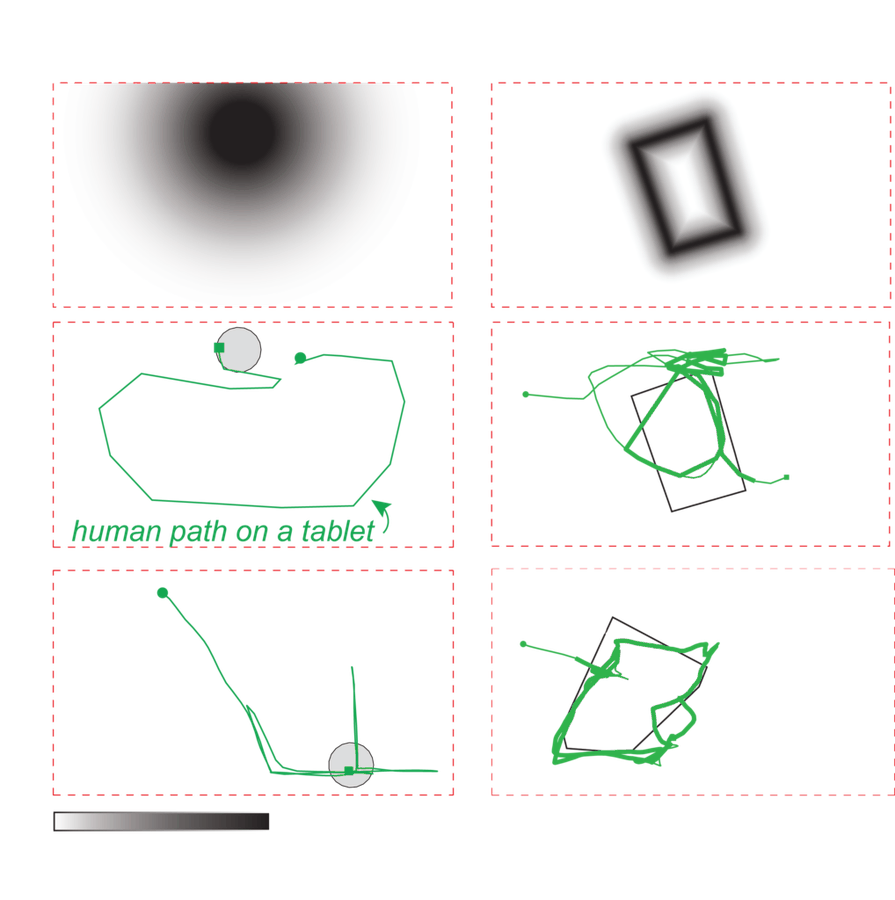
We develop novel audiomotor training interfaces using commercial software game engines